• 0
  • info@house-claims.com
  • Office Hours: Mon - Fri 8:00 AM – 7:45 PM
Statutory Tenancy Protection Framework

Living with unstable masonry, rotten timber, or subsiding walls?
Enforce Your Legal Rights to Structural Repairs.

Under **Section 11 of the Landlord and Tenant Act 1985**, local council authorities and housing associations hold an absolute, non-delegable repair liability to maintain your property's core structural framework and external building envelope. If your landlord ignores deep step-cracks, jammed fire exits, decaying structural joists, or loose shifting floorboards for **over 30 days**, they are directly maintaining an illegal safety hazard under the **Homes (Fitness for Human Habitation) Act 2018**.

National Settlement Valuation Tracker

Retroactive financial calculations recovered backdated directly from your tenancy rent ledger.

£6,512 Average Payout Per Claim

Our Process

How We Fast-Track Your Structural Claim

01

1. Check Eligibility

Submit details regarding your property's structural defects and tenancy profile through our rapid data-capture engine to instantly verify your legal rights.

02

2. Expert Case Building

Our specialist panel housing team logs evidence, assesses communications history, and coordinates an independent structural property assessment report.

03

3. Forced Repairs & Payout

Panel solicitors enforce binding legal repair orders on the landlord while recovering the retroactive compensation settlement payout you deserve.

Building Physics & Compliance

Understanding Structural Anomalies & Landlord Maintenance Liability

Structural disrepair is the most severe and dangerous category of housing decay a tenant can endure. Unlike basic internal wear, structural anomalies indicate that the core building envelope, external brickwork facade, or load-bearing support framework is failing [INDEX]. Under UK housing law, your social landlord holds an absolute, non-delegable duty to maintain these structural assets in perfect working order [INDEX].

01. Differential Foundation Movement & Subsidence

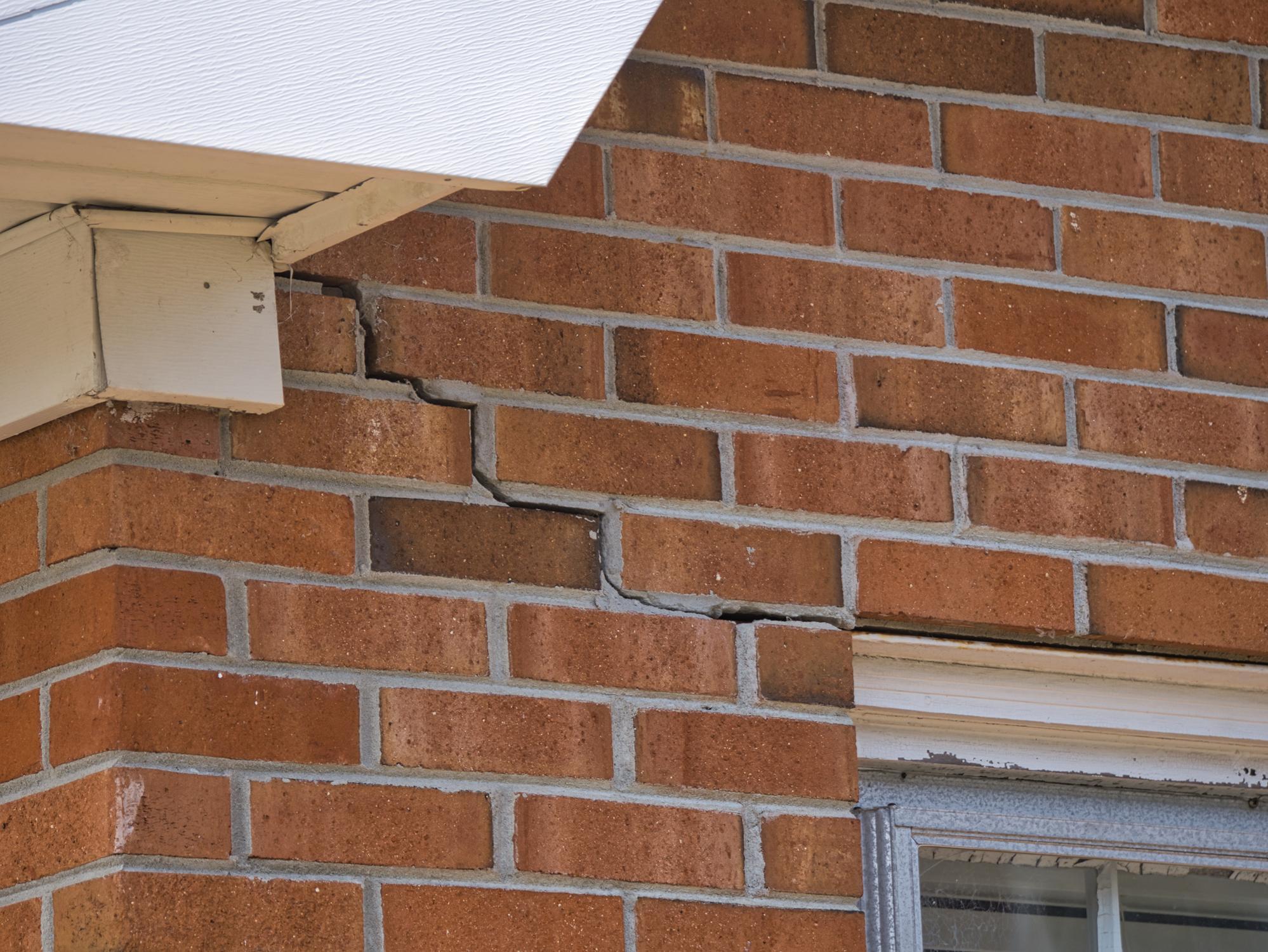
When the ground supporting a building shifts due to clay shrinkage, leaking external drainage pipework, or tree root intrusion, the foundations drop unevenly [INDEX]. This manifests as diagonal, stepped masonry cracking running through external brick layers or internal load-bearing plaster [INDEX]. If you can fit a coin into these wall fractures or see light shining through the masonry, it represents serious, progressive ground failure that requires instant underpinning.

02. Progressive Timber Rot & Cellulose Degradation

Persistent weather envelope breaches—like unmaintained roof profiles, cracked external render, or leaking window frames—permit water to saturate inner support timber networks [INDEX]. This triggers aggressive wood-boring fungal infections. While wet rot remains localized, an outbreak of dry rot develops specialized root-like mycelial strands that travel straight through solid brickwork to destroy surrounding joists and floor supports, threatening systemic collapse [INDEX].

03. Unsafe Floorboards & Compromised Joist Spans

Loose, bowing, or hollow-feeling floorboards indicate that subfloor structural supports have dropped, split, or decayed. Leaving floor cavities unmaintained presents immediate physical trip hazards, destabilizes your personal furniture assets, and threatens a complete structural drop-through, severely violating the basic safety rules defined under UK habitation codes [INDEX].

04. Warped External Frames & Jammed Building Openings

When foundational shifting or wall lintel failure occurs, external windows and main door surrounds warp and twist out of square under the building's shifting weight. This structural distortion leaves openings permanently jammed, compromising your thermal heat insulation efficiency and blocking essential emergency fire escape paths [INDEX].

In-Depth Guide

The Journey to a Structurally Safe Home

Phase 01

Structural Intake, Evidence Mapping, & Consultation

Your process begins the second you submit your details onto **house-claims.com**. Our dedicated UK-based housing specialists immediately review your landlord classification to ensure you are a valid social housing or council tenant.

We work closely with you to catalogue all evidence of structural failure. This includes text logs, online portal maintenance history tickets, and photos of shifting foundations, cracked masonry, or unstable floors. This data forms an unshakeable foundation to prove a breach of **Section 11 of the Landlord and Tenant Act 1985** [1.3].

  • Direct validation of reported wall, masonry, and floor defects
  • Mapping structural cracks with coin or ruler size references
  • Establishing the 30-day statutory window of landlord repair neglect
Structural Evidence Collection Process
Independent Structural Building Survey
Phase 02

Independent Surveyor Assessment & Protocol Execution

Once your eligibility track is greenlit, your file is transferred to an expert panel of independent housing disrepair solicitors regulated by the **Solicitors Regulation Authority (SRA)**.

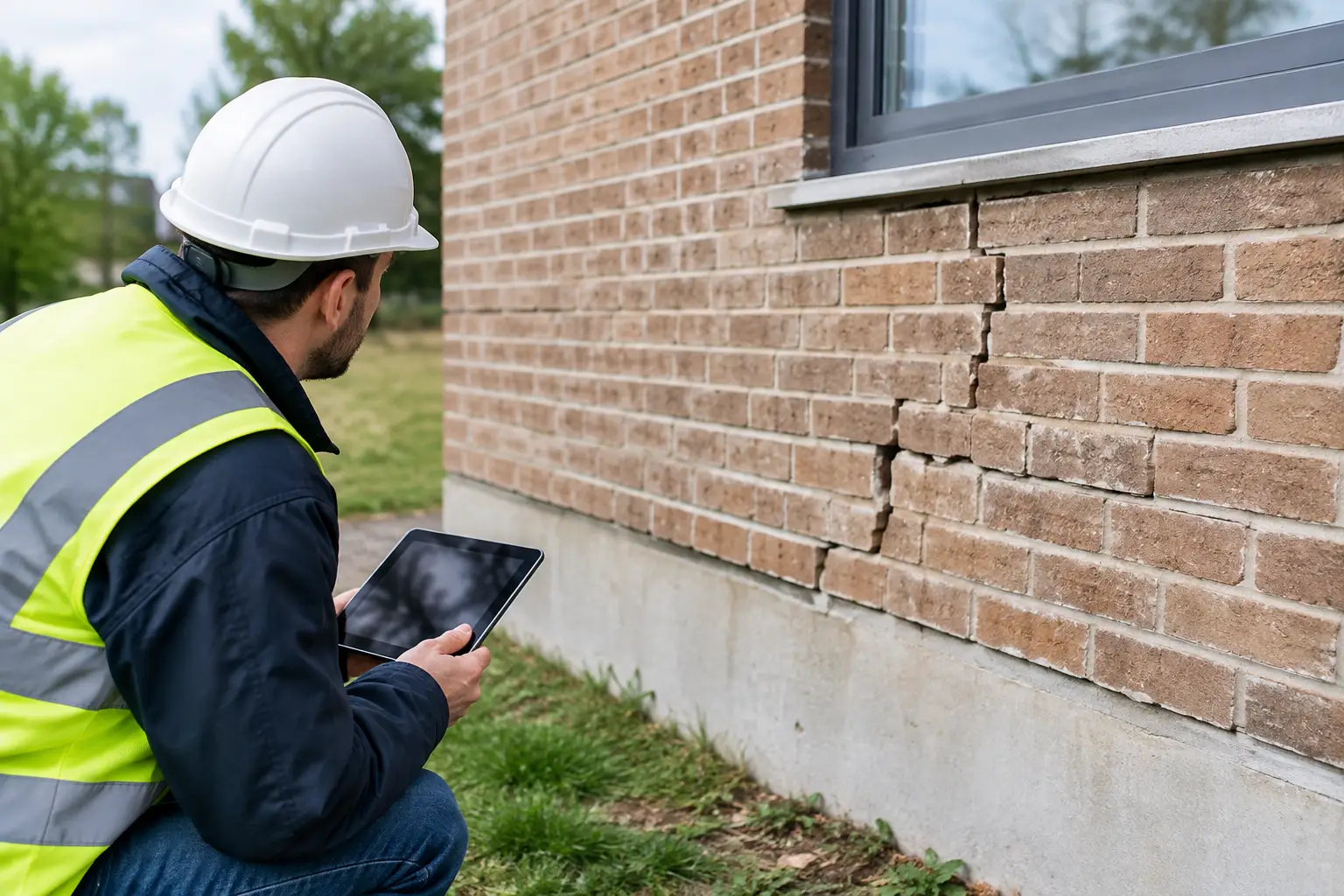
At zero upfront cost to you, they dispatch a certified, independent structural building surveyor to inspect your home. This surveyor drafts an official **Schedule of Disrepair**, using electronic alignment tools to check foundation subsidence, masonry load-bearing stability, and structural wood rot. This report carries immense legal weight under the **Homes (Fitness for Human Habitation) Act 2018** [1.3].

  • Comprehensive structural grading of deep wall cracks and frames
  • Mapping window framework warping and timber rot severity
  • Serving formal Pre-Action Protocol notifications to the landlord
Phase 03

Legal Repair Enforcement & Compensation Release

Equipped with the surveyor's architectural report, your panel solicitors serve a strict, time-bound legal notice demanding a binding structural remediation timeline from the housing body. Landlords who fail to comply face immediate escalation to the county court.

Simultaneously, your legal representation calculates your retroactive damages claim payout [1.3]. This covers structural space loss, property damage, and distress. Under an ironclad **No Win No Fee Agreement**, you secure full structural brickwork, floor, or window repairs paid in full by your landlord [1.3]. Your legal fees are capped at a maximum of 25% inclusive of VAT solely if your compensation payout is successfully secured.

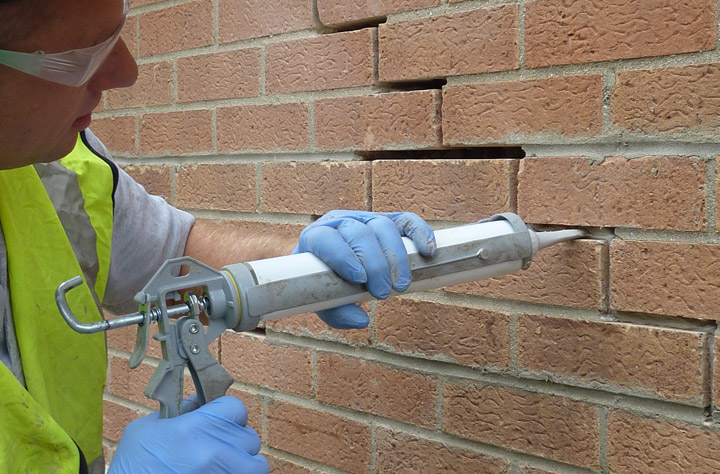
  • Court-enforceable underpinning, masonry, and joinery repairs
  • Financial settlement payout tracking an average of £6,512 [1.3]
  • Absolute preservation of secure statutory tenancy rights [1.3]
Claim Success and Structural Resolution

What We Need From You

Maximising Your Case Strength

To ensure our panel solicitors can push your local council or housing association into rapid submission, compiling high-quality structural evidence is critical [1.3]. Here is what helps speed up your process:

Structural Photography

Clear close-ups and wide photos of active masonry cracks, bowing walls, loose floorboards, or rotting timber frames. Placing a coin or ruler next to cracks helps surveyors grade depth.

Reporting History

Copies of emails, reference numbers from tenant portal logs, or texts showing when you first reported the structural issue to prove the landlord has ignored it past the 30-day window [1.3].

Impact Documentation

Log entries showing how the damage limits daily life (e.g., doors/windows jammed shut and compromising fire escape routes, restricted room usage, or receipts for any property damaged by structural water ingress).

Case Qualification Assessment

Structural Disrepair Eligibility

Evaluate your property parameters instantly under the Landlord and Tenant Act 1985 [INDEX]. Tap the correct metrics matching your current living conditions to verify your legal leverage [INDEX].

01 / What is your active property tenancy classification?

Your case track must align with strict UK housing authority frameworks to proceed [INDEX].

02 / How long ago did you first report the structural defects to your landlord?

Landlords must be provided a reasonable window under the Pre-Action Protocol before claims initialize [INDEX].

03 / Which severe structural anomalies are active in your home?

Select the primary structural pathology currently compromising your living space safety [INDEX].

Awaiting Input Evaluation

Complete all three parameters above. The engine will analyze your baseline qualification eligibility parameters instantly.

0/3

Ready to force your landlord to fix your home?

Stop living in unhealthy conditions. Check your eligibility online in less than 2 minutes and start your risk-free No Win No Fee* claim today.

Check My Eligibility Now